Painting your home exterior is one of the most transformative upgrades you can make. A fresh coat of paint doesn’t just elevate curb appeal — it protects your home from weather damage, prevents wood rot, and increases property value. But before you pick up a paintbrush or roller, there’s one critical step that cannot be skipped: professional pressure washing. Pressure washing before painting is far more than a cosmetic step; it’s essential for a durable, long-lasting, and professional finish.
Many homeowners assume that a simple rinse with a garden hose or a light scrub with soap and water will suffice. Unfortunately, this often leads to paint that peels, cracks, or bubbles within months. Professional pressure washing, when done correctly, prepares your home for paint in ways that are almost impossible to achieve with DIY methods.
In this article, we will explore why professional pressure washing is essential, the benefits it provides, best practices, and what homeowners need to know to ensure their next paint project is successful.
What Is Professional Pressure Washing?
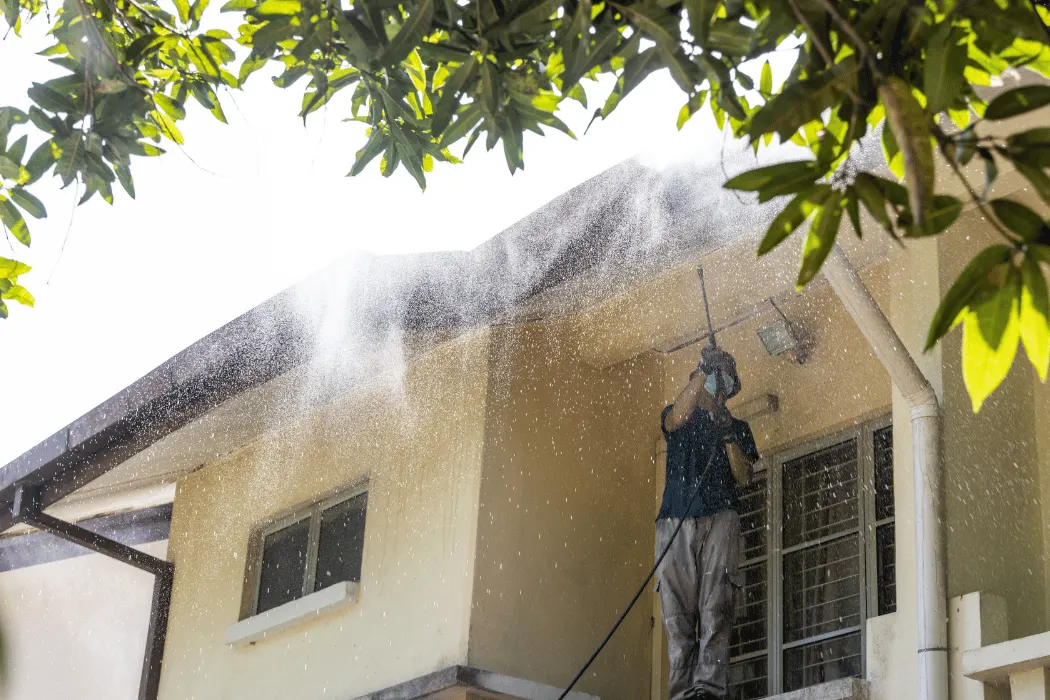
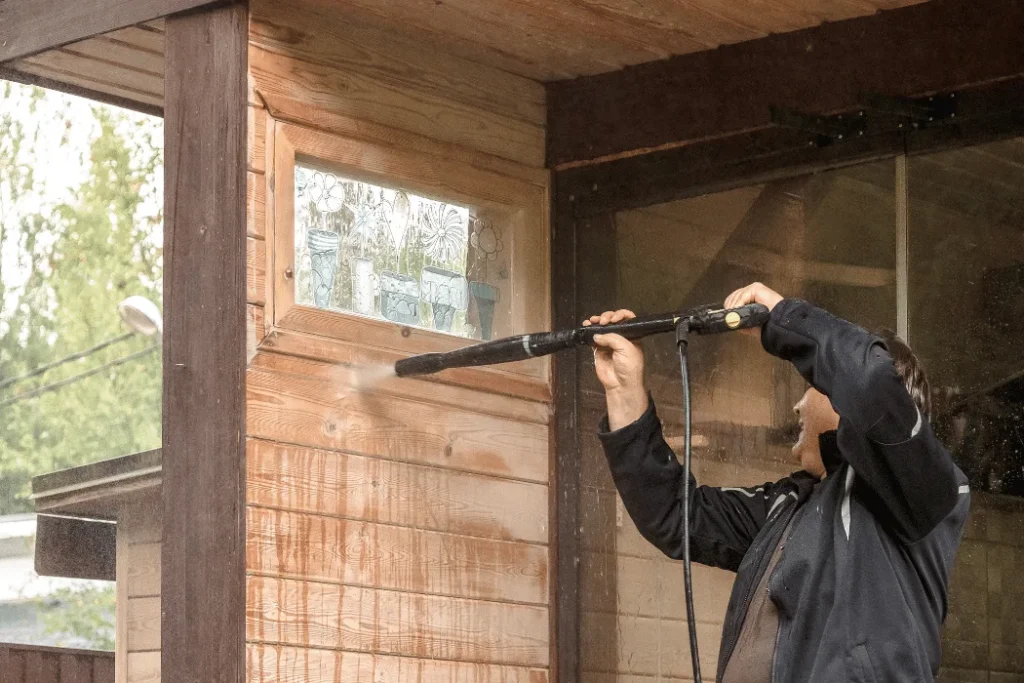
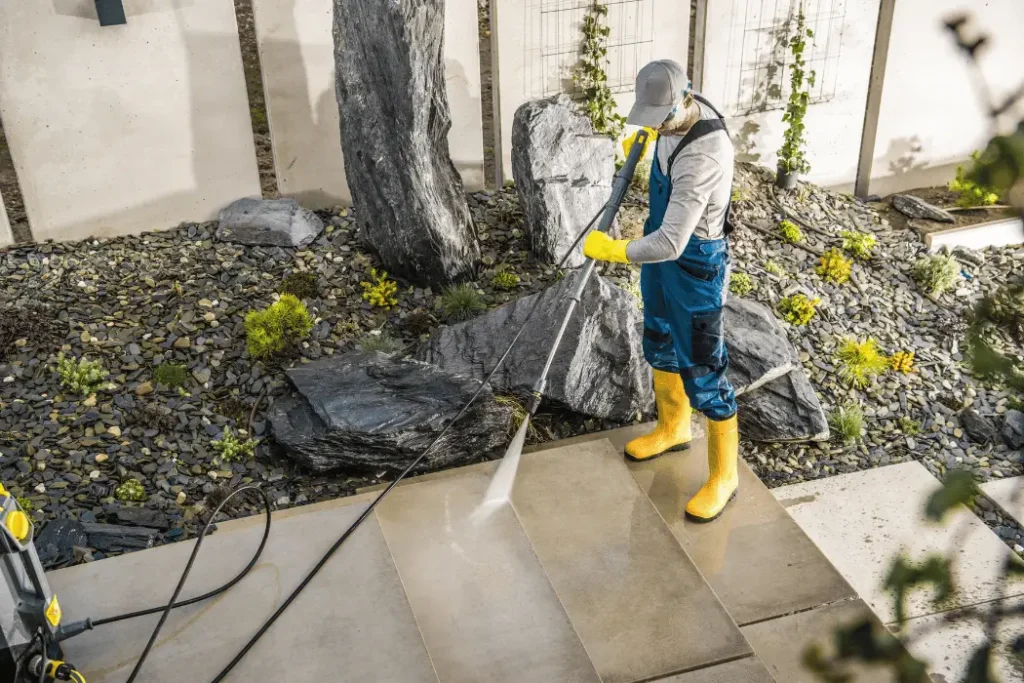
Professional pressure washing is the process of using high-pressure water — often combined with specialized cleaning detergents — to remove dirt, grime, mold, mildew, algae, and other contaminants from exterior surfaces. Unlike typical DIY cleaning methods, professional pressure washing uses controlled water pressure to clean without damaging the material. Professionals adjust the pressure based on surface type, whether it’s wood, brick, vinyl siding, or stucco, ensuring thorough cleaning without compromising structural integrity.
Professional-grade equipment also reaches areas that are difficult or unsafe to access, such as high walls, gutters, eaves, and textured surfaces, ensuring no spot is left untreated. In addition, professionals understand how to combine the right cleaning solutions with mechanical pressure to dissolve stains, mildew, and chalky residue effectively.
Why Cleaning Matters Before Painting
Before paint can adhere effectively, the surface must be completely clean and stable. Think of painting as creating a bond between the paint and your home’s surface. Any dirt, mold, pollen, or old paint residue acts as a barrier, preventing the paint from bonding properly. Painting over a dirty surface is like putting glue on dust — it simply won’t stick long-term.
Even if your exterior looks clean to the naked eye, microscopic particles of dirt, mold spores, and airborne pollutants can accumulate over years. These invisible contaminants are enough to compromise paint adhesion, leading to peeling, bubbling, or uneven color over time.
Key surfaces that benefit from professional pressure washing include:
• Siding (vinyl, wood, or composite)
• Brick or masonry
• Stucco
• Wood trim and fascia boards
• PVC or synthetic panels
• Decks and patios (if included in the painting plan)
Cleaning these surfaces thoroughly ensures that the first layer of paint adheres directly to the material rather than sliding over a thin layer of grime.
Benefits of Professional Pressure Washing Before Painting
1. Enhanced Paint Adhesion
One of the most critical benefits of professional pressure washing is improved paint adhesion. Paint can only bond to a clean, dry, and stable surface. Dirt, chalk, mold, and other residues create a barrier that prevents this bond. Pressure washing removes these contaminants, allowing the paint to adhere directly to the underlying material.
Without proper cleaning, paint may appear fine at first, but over time, it will peel, crack, or blister, especially in areas exposed to moisture or direct sunlight.
2. Removes Harmful Contaminants
Over time, a home’s exterior accumulates a wide range of contaminants. Pressure washing removes these efficiently, preventing long-term damage. Common contaminants include:
| Contaminant | Impact on Painting and Home Health |
| Dirt and Dust | Blocks paint adhesion, creates uneven finish |
| Mold and Mildew | Can cause wood rot, discolors paint, health hazard |
| Algae Growth | Stains surfaces, reduces curb appeal |
| Old Flaky Paint | Prevents smooth new coat, may cause peeling |
| Pollutants | Weakens paint bond and damages surface over time |
By removing these elements, pressure washing ensures your home’s surface is ready for primer and paint, creating a long-lasting finish.
3. Reveals Hidden Surface Damage
Professional pressure washing doesn’t just clean — it reveals hidden problems. Years of exposure to sun, rain, and wind can cause minor cracks, wood rot, or other structural issues that are not visible under layers of dirt or mold. Pressure washing exposes these imperfections, allowing homeowners or contractors to repair them before painting.
Identifying and repairing damage early prevents more significant issues later. For instance, painting over rotted wood or cracks can lead to peeling, moisture infiltration, and even structural damage.
4. Saves Time and Money in the Long Run
Many homeowners try to skip pressure washing to save money, but this can result in higher costs over time. Painting over unclean surfaces leads to:
- Early peeling and blistering
- Uneven coats requiring multiple applications
- Reduced longevity of the paint job
Professional pressure washing is a cost-effective investment. By ensuring a solid base, it reduces the amount of paint needed, prevents rework, and extends the life of your exterior finish.
5. Boosts Curb Appeal Instantly
Even before painting begins, pressure washing alone can dramatically improve the appearance of your home. Stains, grime, algae, and mildew are removed, revealing the natural beauty of your siding, brick, or trim. For homeowners preparing to sell, a clean exterior enhances first impressions and can even increase property value.
6. Protects Health and Home Environment
Mold and mildew on exterior surfaces are not just cosmetic issues — they can be hazardous to health, especially for individuals with respiratory conditions. Pressure washing removes mold, mildew, and allergens, improving the home environment and ensuring that paint seals a clean and safe surface, rather than trapping moisture and spores underneath.
7. Prepares Surfaces for Primer and Paint
Proper surface preparation is critical for painting success. Professional pressure washing ensures that:
- Surfaces are free of chalky residue from old paint
- Dust and debris are fully removed from cracks and crevices
- Moisture does not remain trapped, preventing bubbling and peeling
Once cleaned, the surface can accept primer evenly, leading to better coverage and uniform color. This preparation step is especially important for high-gloss paints or dark colors that reveal imperfections more clearly.
8. Safe for All Surfaces
Professional contractors know how to adjust pressure settings and cleaning solutions to avoid damaging delicate surfaces like wood, stucco, or older siding. Improper DIY pressure washing can:
- Strip wood fibers or siding paint
- Etch masonry or stucco
- Push water behind siding, causing hidden moisture damage
Hiring professionals ensures the right combination of pressure, technique, and detergents, providing a thorough clean without unintended damage.
Professional vs. DIY Pressure Washing
While DIY pressure washers are available for rent or purchase, professional services provide a distinct advantage:
Professional Pressure Washing:
- Adjusts water pressure based on surface type
- Uses safe, industry-approved detergents
- Cleans high, hard-to-reach areas safely
- Ensures thorough removal of mold, algae, and contaminants
- Protects your surfaces from damage
DIY Pressure Washing:
- Risk of applying too much pressure
- May miss mold in crevices and textured areas
- Requires more time and effort
- Potentially causes water damage or surface harm
In short, professionals guarantee consistent, safe, and complete preparation, ensuring the paint job will last for years rather than months.
Best Practices Before Painting
To maximize the benefits of pressure washing, homeowners should follow these steps:
- Drying Time: Wait at least 24–48 hours for surfaces to fully dry. Painting a damp surface can trap moisture, leading to blistering and peeling.
- Surface Inspection: After cleaning, inspect for damage that may need repair before painting.
- Priming: Apply a quality primer if needed, especially on wood, stucco, or masonry.
- Weather Considerations: Avoid painting in extreme heat, direct sunlight, or rainy conditions, as these can affect adhesion and drying time.
- Proper Tools: Use brushes, rollers, or sprayers suitable for your paint type and surface texture.
Following these steps ensures a long-lasting, professional finish.
Frequently Asked Questions (FAQs)
Is pressure washing before painting absolutely necessary?
Yes. Pressure washing removes contaminants that impede paint adhesion and durability.
How long should you wait after pressure washing before painting?
Wait at least 24–48 hours or until the surface is completely dry.
Can I pressure wash myself before painting?
You can, but professionals provide safer, more consistent results that protect your surfaces.
Does pressure washing remove old loose paint?
Yes. It helps clear out loose and flaky paint for a smoother base.
How does pressure washing improve paint adhesion?
It ensures paint bonds directly with the cleaned material instead of dirt or residues.
Conclusion
Professional pressure washing is not just an optional step before painting it is the foundation for a high-quality, long-lasting exterior paint job. From enhancing adhesion to removing harmful contaminants, exposing hidden damage, and saving time and money, the benefits are clear.
A well-prepared surface allows your paint to perform as intended, creating a smooth, vibrant, and durable finish that protects your home while improving curb appeal. Homeowners who invest in professional pressure washing enjoy better results, fewer problems down the line, and a paint job that stands the test of time.
Skipping this critical step may seem convenient, but the consequences — peeling, bubbling, uneven finishes, and premature repainting — can cost far more than a professional wash. Take the time to prepare properly, and your home’s next paint project will be a lasting success.