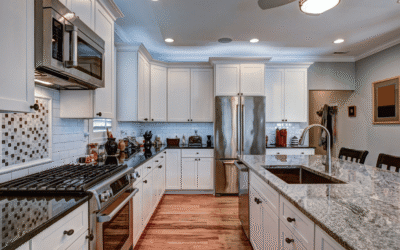
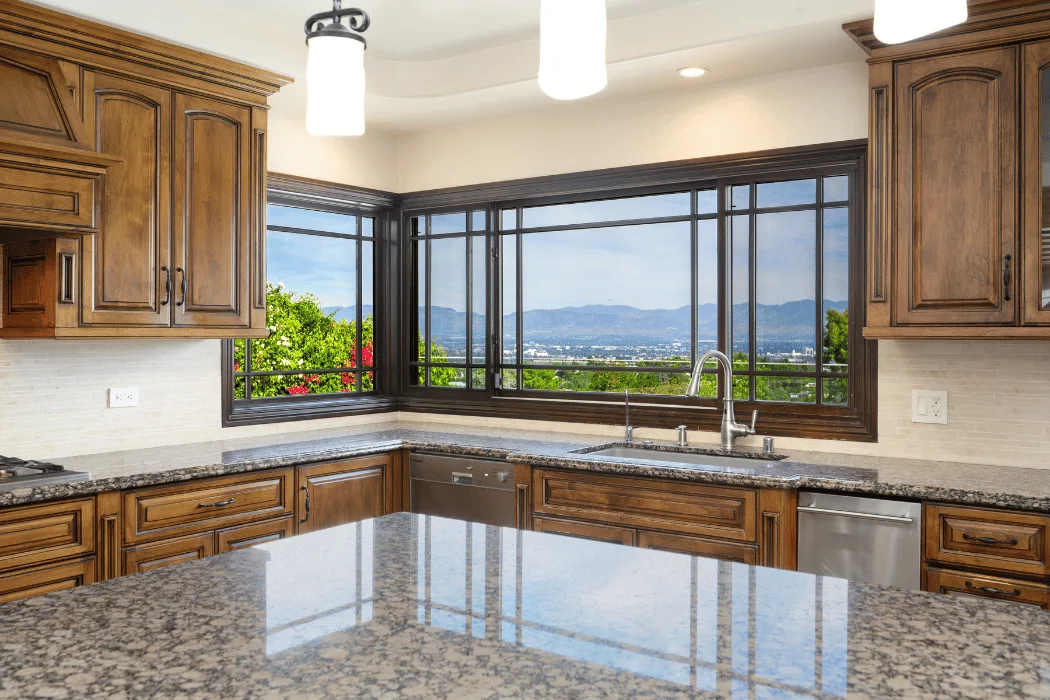
Renovating your kitchen is one of the most exciting and rewarding home upgrade projects you can undertake. Among all the decisions you will make during a kitchen remodel, selecting the right countertop material is one of the most impactful. Countertops aren’t just surfaces—they are the centerpiece of your kitchen, influencing aesthetics, usability, hygiene, and long-term home value. Choosing poorly can lead to constant maintenance headaches or a look that feels outdated quickly, whereas a carefully selected countertop can elevate your kitchen and provide decades of reliable use.
This guide provides a comprehensive, research-based approach to selecting the perfect kitchen countertop. We’ll explore the best materials, performance considerations, budget tips, design strategies, and maintenance guidance, ensuring your renovation delivers both style and functionality.
Why Countertop Choice Matters
Countertops are more than just decorative surfaces—they are integral to how you use your kitchen. Here’s why your choice matters:
- Daily Functionality: The countertop is where most meal prep, cooking, and cleaning happens. Durability and heat or stain resistance are critical in high-traffic kitchens.
- Kitchen Aesthetics: Your countertop often becomes the visual centerpiece, complementing cabinets, backsplashes, flooring, and lighting.
- Home Value: High-quality countertops can significantly boost your home’s resale value.
- Ease of Maintenance: The right countertop reduces stress and cleaning effort, which is especially important in busy households.
Choosing the right material ensures your countertop performs well, looks great, and supports your lifestyle.
Core Considerations Before Choosing a Countertop
Before you evaluate specific materials, ask yourself these key questions:
- How do you use your kitchen daily?
High-traffic kitchens require durable, low-maintenance surfaces, while casual kitchens may prioritize aesthetics and luxury. - What is your renovation budget?
Countertop costs vary widely from affordable laminate to premium natural stone. Factor in not only material but installation, edge details, and removal of old surfaces. - What is your kitchen design style?
Modern, traditional, farmhouse, industrial, or minimalist kitchens each pair better with different surfaces. - How much maintenance are you willing to do?
Do you want low-maintenance options that require little attention, or are you willing to commit to sealing and polishing natural stone?
Answering these questions will help narrow down the right countertop material for your project.
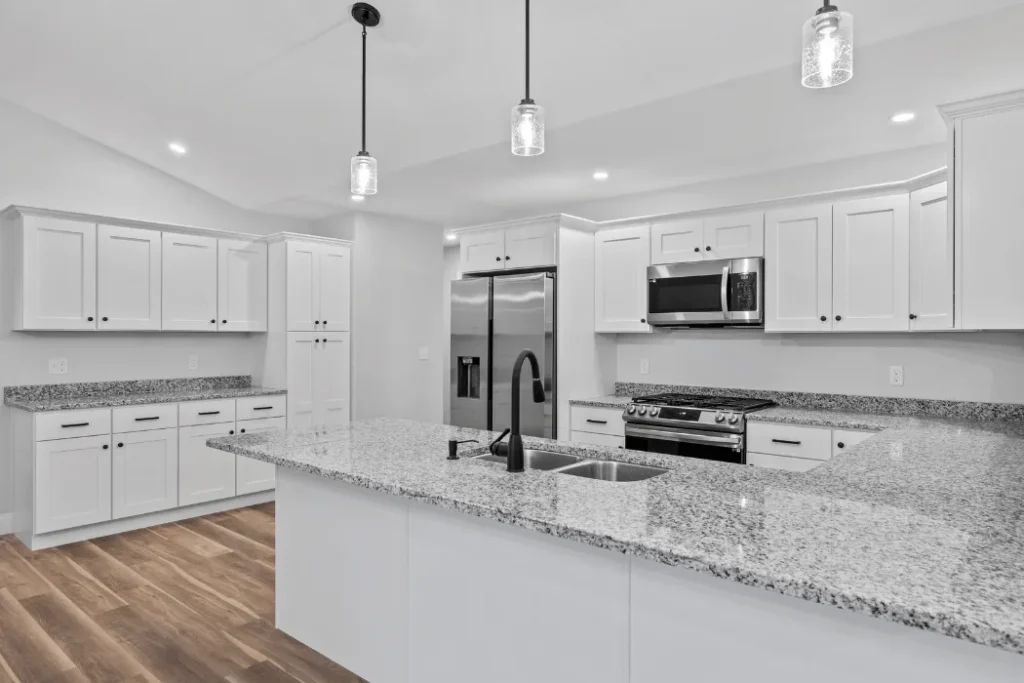
Popular Countertop Materials: Pros, Cons, and Costs
Here’s a detailed comparison of the most common countertop materials, including performance, maintenance, and approximate costs:
| Material | Appearance | Durability | Maintenance | Approx. Cost/sq ft | Best For |
| Quartz (Engineered Stone) | Sleek, uniform | High | Very low | $50–$120 | Busy households |
| Granite | Natural stone patterns | Very high | Medium (sealing) | $45–$200 | Classic durability |
| Marble | Elegant veining | Medium | High (seal often) | $60–$250 | Luxury & baking areas |
| Laminate | Printed finishes | Low | Very low | $20–$60 | Budget projects |
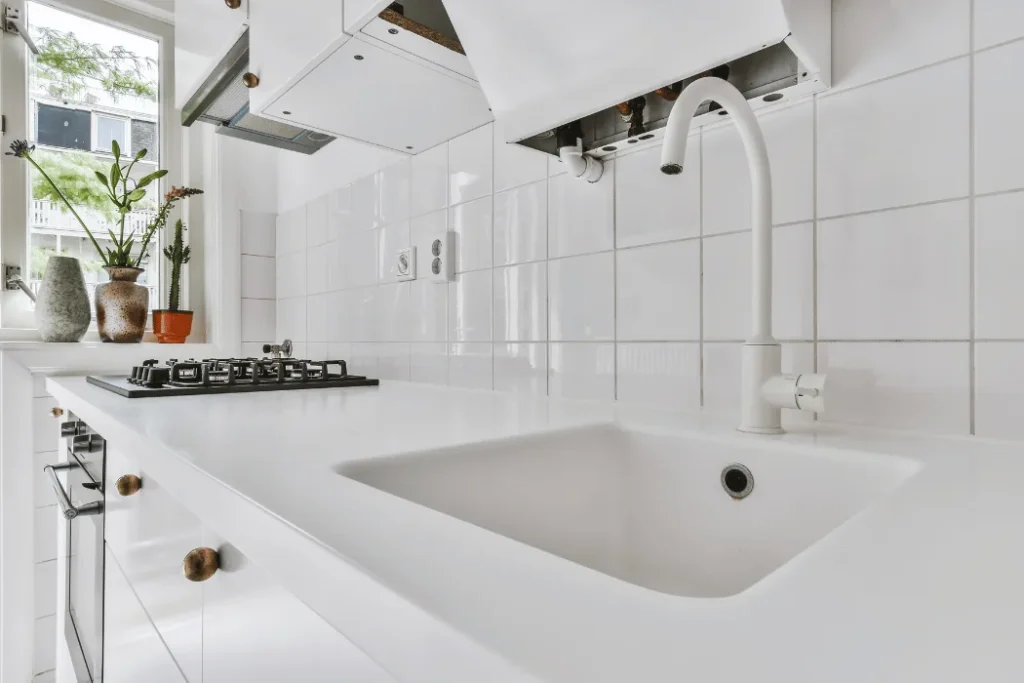
| Solid Surface (Acrylic) | Seamless look | Medium | Low | $45–$100 | Modern designs |
| Concrete | Custom industrial | High | Medium (sealing) | $70–$150 | Designer kitchens |
| Butcher Block (Wood) | Warm, natural | Medium | High | $30–$100 | Farmhouse/organic |
This table demonstrates trade-offs between cost, durability, maintenance, and aesthetics. The right choice depends on your priorities and lifestyle.
Quartz Countertops: Engineered for Longevity
Quartz countertops are man-made surfaces composed of natural quartz and resins, providing uniform color and a sleek modern appearance. They are non-porous, highly stain-resistant, and require virtually no sealing.
Pros:
- Extremely low maintenance
- Resistant to stains and scratches
- Wide range of colors and patterns
- Ideal for families and busy kitchens
Cons:
- Sensitive to direct heat; use trivets
- Can be more expensive than laminate or wood
- Patterns are uniform, which may lack natural stone uniqueness
Quartz is perfect for modern kitchens where minimal maintenance and durability are priorities.
Granite: Timeless and Durable
Granite has been a popular countertop material for decades because of its strength and natural beauty. Each slab is unique, with distinct veining and patterns.
Pros:
- Exceptional durability; resistant to scratches and heat
- Adds value to your home
- Variety of colors and patterns
Cons:
- Requires periodic sealing to prevent stains
- Can chip if heavy items are dropped
- Installation can be complex due to weight
Granite works well in traditional kitchens and for homeowners seeking a classic, long-lasting surface.
Marble: Luxurious but High-Maintenance
Marble is celebrated for its luxury and elegance, often used in high-end kitchens. It is softer than granite and can stain or scratch more easily.
Pros:
- Beautiful, natural veining
- Cool surface ideal for baking and pastry preparation
Cons:
- High maintenance; regular sealing required
- Can stain and scratch easily
- Not ideal for high-traffic kitchens
Marble is best for homeowners who value visual appeal over durability or for areas used less intensively.
Laminate: Affordable and Versatile
Laminate countertops are made of plastic-coated surfaces over particleboard, offering a wide range of colors and patterns. Modern laminate can mimic stone or wood convincingly.
Pros:
- Highly affordable
- Easy to install
- Wide variety of designs
Cons:
- Less durable; prone to scratches and heat damage
- Not repairable if damaged
Laminate is ideal for budget-friendly renovations or secondary kitchens.
Solid Surface (Acrylic): Seamless and Repairable
Solid surface countertops, such as Corian, are made of acrylic and other resins. They can be fabricated to create seamless surfaces, including integrated sinks.
Pros:
- Non-porous and hygienic
- Seamless appearance
- Easy to repair scratches or minor damage
Cons:
- Moderate heat resistance; use trivets
- Less scratch-resistant than stone
- Can fade with UV exposure over time
Solid surface is great for modern kitchens seeking a clean, uninterrupted look.
Concrete: Bold and Customizable
Concrete countertops allow homeowners to customize shape, color, and texture, making them suitable for industrial or contemporary kitchens.
Pros:
- Heat and scratch resistant
- Fully customizable shape and finish
- Unique, modern appearance
Cons:
- Needs sealing to prevent stains
- Heavy; requires strong cabinets
- Can develop hairline cracks over time
Concrete works for designer kitchens looking for a dramatic statement.
Butcher Block: Warm and Natural
Butcher block countertops are made of thick, solid wood strips, providing a warm, inviting feel. They are especially popular in farmhouse or organic-style kitchens.
Pros:
- Natural warmth and beauty
- Can be sanded and refinished
- Ideal for chopping and prep
Cons:
- Requires regular oiling to prevent drying
- Sensitive to water and heat
Butcher block is perfect for homeowners who enjoy a rustic, tactile surface in their kitchen.
Matching Countertops to Kitchen Style
Your countertop should complement your kitchen’s design language:
- Modern/Minimalist: Quartz, porcelain, solid surface
- Traditional/Classic: Granite or marble
- Industrial: Concrete or stainless steel
- Budget-Friendly: Laminate or engineered stone
- Farmhouse/Organic: Butcher block
Color and Texture Tips:
- Light surfaces make small kitchens feel larger and airy
- Dark surfaces hide stains but show dust more clearly
- Subtle veining or patterns create timeless elegance
Choosing a countertop that enhances the room visually and complements cabinets, backsplash, and flooring is key.
Performance Factors: Durability, Maintenance, and Hygiene
When selecting a countertop, consider these performance factors:
Heat Resistance
- Stone and concrete handle hot pots well
- Laminate and quartz can be damaged by heat; always use trivets
Stain Resistance
- Non-porous materials like quartz are highly stain-resistant
- Natural stone may need periodic sealing to prevent discoloration
Scratch Resistance
- Granite and quartzite resist scratches
- Wood, laminate, and marble are more susceptible
Maintenance
- Sealing: Required for granite, marble, and concrete
- Daily cleaning: Mild soap and water for most materials
- Repairability: Solid surface and wood are easier to repair than stone
Choosing a material that balances durability, hygiene, and maintenance ensures long-term satisfaction.
Budget Considerations and Hidden Costs
While material cost is important, other factors can affect total expenditure:
- Installation Complexity: Slabs with seams, intricate edge profiles, and sink cutouts increase cost
- Removal of Old Countertops: Can add significant labor fees
- Transportation and Handling: Heavy materials like granite or concrete require professional installation
💡 Tip: Always test material samples at home to see how lighting and room size affect color and pattern perception.
Common Mistakes to Avoid
- Choosing highly glossy surfaces that quickly look dated
- Ignoring real-world maintenance needs
- Underestimating workflow or countertop space requirements
- Selecting a material based solely on cabinet color without considering lighting and kitchen size
Being aware of these mistakes will help you make a more informed and long-lasting choice.
FAQs
• What is the best material for kitchen countertops?
Granite and quartz are widely regarded for combining durability, beauty, and long-term value.
• How often should stone countertops be sealed?
Natural stone like granite typically needs sealing once a year for optimal stain protection.
• Can I place hot pots directly on my countertop?
Heat resistance varies—use trivets on quartz or laminate to protect the surface.
• Are engineered quartz countertops hygienic?
Yes, quartz is non-porous and resists bacteria and stains, making it easy to clean.
• Which countertop is most affordable?
Laminate is one of the most budget-friendly options without compromising a stylish look.
Conclusion
Choosing the perfect countertop is a combination of aesthetics, functionality, and lifestyle considerations. By understanding the strengths and weaknesses of each material, evaluating performance factors like durability, stain and heat resistance, and factoring in maintenance and budget, you can make an informed decision that transforms your kitchen. A well-chosen countertop not only enhances your daily cooking experience but also boosts your home’s value and visual appeal, ensuring your kitchen renovation remains a source of pride for years to come.