An Ultimate Homeowner’s Guide
The garage door is one of the largest and most visible exterior elements of your home. Beyond its functional role of protecting vehicles and storage spaces, the garage door significantly influences curb appeal, long-term durability, and property value. Many homeowners overlook it, but a garage door in pristine condition communicates care and enhances the overall aesthetic of a house. Painting your garage door isn’t just a cosmetic upgrade—it’s a strategic investment that combines protection, style, and long-term savings.
In this guide, we will explore:
- Why garage door painting matters
- Protective benefits for your home
- Style and design impact
- Maintenance, costs, and best practices
- Color, material, and product choices
Why Painting Your Garage Door Matters - Garage doors are constantly exposed to the elements. Sunlight, wind, rain, snow, dust, and pollutants can all damage the surface over time. Without proper paint or maintenance, these doors can:
- Develop rust and corrosion on metal doors
- Warp, crack, or rot on wooden doors
- Fade or discolor due to UV exposure
- Allow moisture infiltration, which can damage the garage interior
- Paint acts as a protective barrier. It shields the door from harmful elements, preserves the material, and reduces the need for costly repairs or replacements. Beyond protection, painting transforms the appearance of the home, adding style and curb appeal.
Protective Benefits of Garage Door Painting
Painting your garage door provides several protective advantages that can extend the lifespan of the door and safeguard your home.
1. Weather and Element Protection
A painted garage door resists harsh weather conditions. Proper paint prevents moisture from seeping into wood and metal surfaces, reduces damage from UV rays, and protects against extreme temperature fluctuations. A weatherproofed door ensures that the structure remains stable and functional for years.
2. Rust Prevention on Metal Doors
Metal doors are particularly vulnerable to rust when exposed to water and oxygen. Applying a high-quality exterior paint acts as a protective coating, preventing oxidation and corrosion. For homes in humid or coastal areas, this protection is especially crucial.
3. Enhanced Durability
A painted surface is more resistant to physical wear, such as chipping, cracking, or peeling. This durability not only keeps the garage door looking new but also reduces long-term maintenance costs.
4. Energy Efficiency
Paint can influence the thermal performance of a garage. Lighter colors reflect heat, keeping the garage cooler in hot climates, while specialized “cool coat” paints can reduce heat absorption and improve energy efficiency. This benefit also protects items stored in the garage from heat-related damage.
5. Protection of Garage Interior Contents
A well-painted door with proper sealing prevents water, dust, and pests from entering the garage. This helps protect stored vehicles, tools, and other items from damage due to moisture or pests.
Style Benefits: Boosting Curb Appeal and Home Design
A freshly painted garage door does more than protect your home—it enhances its visual appeal, making your property more inviting and stylish.
Improve Visual Cohesion
Selecting a paint color that complements your home’s exterior creates a sense of architectural harmony. It can tie together elements such as siding, trim, and front doors, creating a polished, unified look.
Create Character and Personal Style
Garage doors offer a large canvas for homeowners to express personality. Whether you choose bold colors, muted neutrals, or textured finishes, a painted garage door can transform the overall vibe of your home. Accent features like panels, windows, and hardware are enhanced when paired with the right color.
Increase Property Value
A fresh coat of paint signals that the home is well-maintained, which positively impacts home appraisals and buyer perception. Homes with well-kept exterior surfaces, including garage doors, often sell faster and at a higher value.
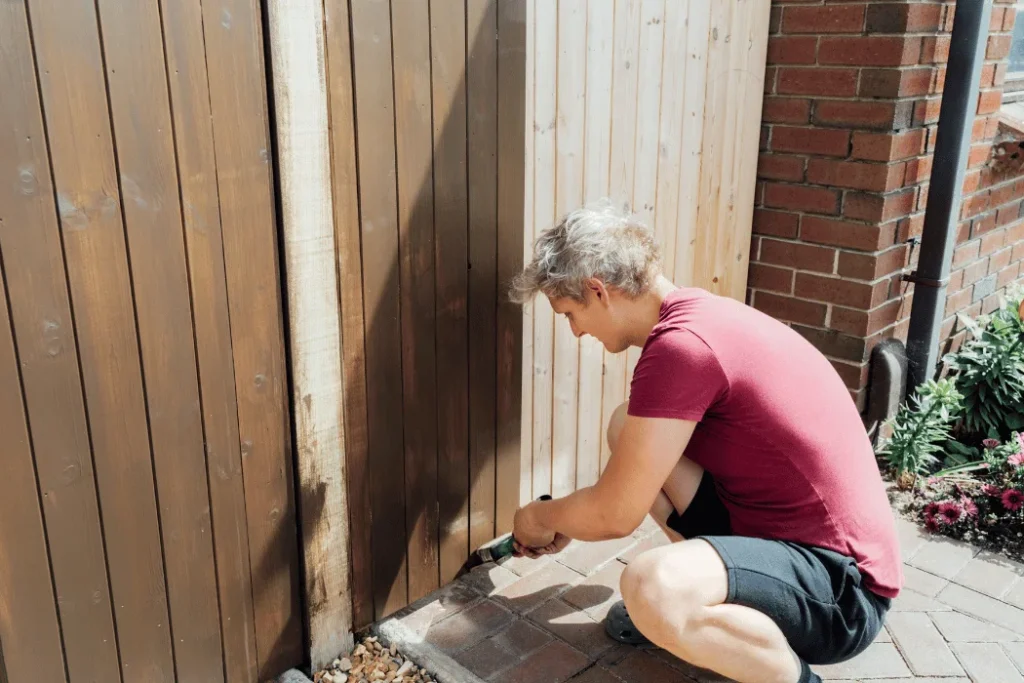
Feature Comparison: Painted vs. Unpainted Garage Doors
| Feature | Painted Garage Door | Unpainted / Peeling Door |
| Weather Resistance | High | Low |
| Rust & Moisture Protection | Excellent | Poor |
| Curb Appeal | Significant | Minimal |
| Maintenance Needs | Manageable | Frequent repairs |
| Resale Value Impact | Positive | Negative impact |
This table highlights why investing in paint is far more economical than allowing deterioration to occur.
Best Practices for Garage Door Painting
Painting a garage door requires careful preparation and high-quality products to maximize benefits.
1. Surface Cleaning
Before painting, clean the surface thoroughly to remove dust, dirt, and grease. This ensures proper adhesion and a smooth finish. Mild detergents and water usually suffice for most surfaces.
2. Sanding and Rust Removal
Sand rough areas and remove rust spots from metal doors. This step creates a smooth, uniform surface and prevents peeling or uneven paint application.
3. Priming
Primers are essential, especially for bare wood or metal. They help seal the surface, improve paint adhesion, and prevent stains or imperfections from bleeding through.
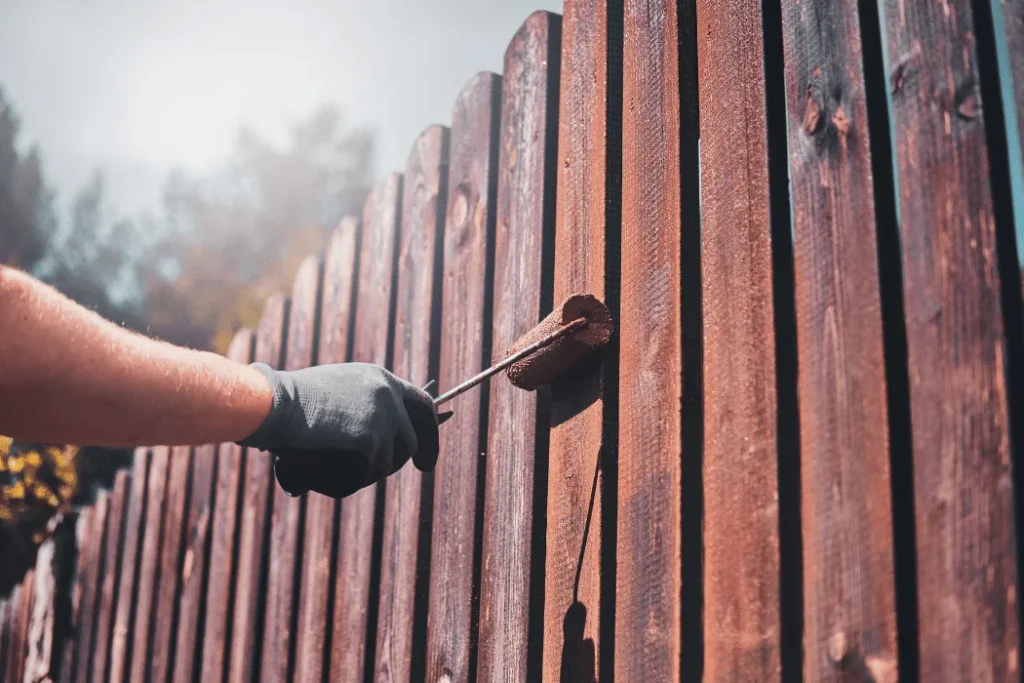
4. Painting Techniques
Choose the right type of paint for your garage door material. Acrylic latex paints work well on wood, while enamel or oil-based paints provide durability on metal surfaces. Use brushes, rollers, or sprayers for even coverage.
5. Clear Coats for Protection
A clear topcoat protects against UV rays, weathering, and minor abrasions. It prolongs the lifespan of the paint and maintains color vibrancy for years.
Choosing the Right Paint for Garage Doors
Selecting the appropriate paint is crucial for durability and appearance. Different paint types have unique benefits:
| Paint Type | Best For | Pros | Cons |
| Acrylic Latex | Wood & Metal | Easy cleanup, flexible, good weather resistance | May require primer |
| Oil-Based | Metal | Smooth, durable finish | Longer drying time |
| Enamel | Metal & Wood | Hard, protective coating | Requires careful application |
Tips for Choosing Colors:
- Neutral tones work well for classic looks
- Bold shades create a striking focal point
- Complement siding, trim, and roof colors for harmony
- Consider reflective or light colors for energy efficiency
Maintenance Tips After Painting
Painting is just the first step; proper maintenance keeps your garage door in top shape:
- Inspect annually for chips, cracks, or peeling
- Clean surfaces regularly with mild soap and water
- Touch up paint before damage spreads
- Lubricate moving parts to reduce wear on the door’s structure
Regular maintenance prolongs the life of your paint job and ensures your garage door continues to provide both protection and aesthetic appeal.
Costs and Investment
The cost of painting a garage door varies based on material, size, and quality of paint:
| Door Material | Estimated Cost (DIY) | Professional Cost |
| Wood | $150–$350 | $400–$700 |
| Metal | $100–$250 | $300–$600 |
| Composite | $120–$300 | $350–$650 |
Investing in professional painting may cost more upfront but ensures longevity, proper application, and higher-quality finishes.
Long-Term Benefits Recap
Enhanced Protection: Shields against weather, rust, and moisture
Improved Aesthetic Appeal: Boosts curb appeal and adds style
Increased Property Value: Maintained exteriors impress buyers and appraisers
Durability: Reduces wear and extends the lifespan of your garage door
Energy Savings: Reflective or light paint can help moderate garage temperature
Section: Garage Door Materials and How Paint Interacts with Them
Different garage door materials react differently to paint. Understanding the right approach ensures durability and a high-quality finish.
1. Wood Garage Doors
Wood is prone to moisture absorption, warping, and cracking. Painting not only adds color but also acts as a waterproof barrier, preventing rot and insect damage. Wood doors often require priming and multiple coats to ensure paint adheres properly and protects the surface long-term.
2. Metal Garage Doors
Metal doors, often steel or aluminum, are vulnerable to rust and corrosion. Using a rust-inhibiting primer before painting is critical. Exterior enamel or acrylic latex paints work best, providing a hard, protective layer against the elements. Regular inspection for scratches or chips is essential to prevent rust from forming.
3. Composite or Fiberglass Doors
Composite doors combine durability and low maintenance. They are less prone to rust or rot but can fade under UV exposure. Painting these doors can refresh faded colors and provide additional protection against sun damage. Always use paints formulated for flexible surfaces to prevent cracking.
4. Benefits Table by Material
| Material Type | Key Risks | Recommended Paint | Protective Benefit |
| Wood | Rot, moisture damage | Acrylic latex | Waterproof barrier, prevents cracking |
| Metal | Rust, corrosion | Enamel or oil-based | Rust prevention, hard finish |
| Composite | UV fading | Flexible exterior acrylic | Fade resistance, enhanced aesthetics |
Understanding material-specific needs ensures paint longevity, reduces maintenance, and prevents costly repairs in the future.
FAQs
- What are the main benefits of painting a garage door?
Painting improves protection from weather, boosts curb appeal, and can raise property value. - How often should a garage door be repainted?
Most doors benefit from repainting every 5–10 years, depending on climate, paint quality, and wear. - Can garage door paint prevent rust?
Yes, using a quality exterior paint creates a protective barrier that helps prevent rust on metal doors. - Does painting a garage door improve home security?
A well-maintained painted door suggests an attentive homeowner, which can help deter criminal targeting. - What type of paint is best for garage doors?
Exterior acrylic latex or enamel paints with UV and weather resistance are ideal.
Conclusion
Painting your garage door is a strategic and visually impactful home improvement. It not only protects your home from weather, rust, and wear but also dramatically enhances curb appeal and property value. By selecting the right paint, preparing the surface properly, and maintaining it regularly, homeowners can enjoy a garage door that looks great, lasts longer, and contributes to the overall durability of the home. Whether you choose a professional painter or take on a DIY project, the investment pays off in protection, style, and long-term savings.